Department of Clear Water
Water Filtration Systems in Oakville
Municipal water in Oakville is treated and tested. Some households still want it to taste or behave differently. Here is what filtration can and cannot do.
- Clear diagnosis before any cutting or replacing
- Price explained before the work starts
- Tested with water running before we leave
- Booked by phone, no forms
or ring (365) 399-5986Real people answer. Bookings by phone only.
- Licensed & insured (details on request)
- Oakville & Halton
- Phone bookings only
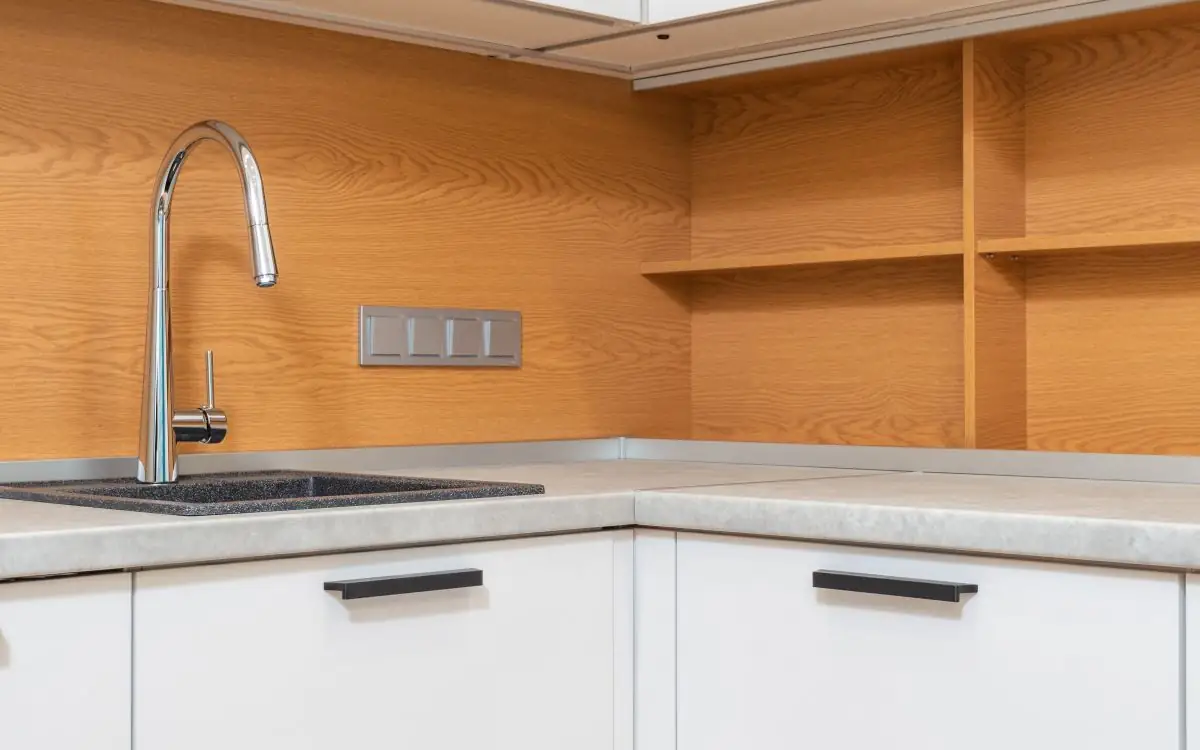
What water filtration systems involve
A filter is a vessel with a medium inside. Water passes through and the medium catches or adsorbs what you want removed. Sediment cartridges trap grit. Activated carbon reduces chlorine taste and odour and some organic compounds. Reverse osmosis units force water across a very fine membrane, stripping out a wide range of dissolved solids, usually at a single kitchen tap.
Systems come in two broad kinds. A whole-house filter is cut into the supply just past the meter, so every tap gets treated water. A point-of-use filter sits under one sink and treats drinking and cooking water only. Each needs a bypass valve and room to change cartridges.
Job sheet: Water Filtration Systems in Oakville
- Where we get in
- Main line for whole-house units, or under the sink for drinking water
- On the van
- Filter housings, cartridges, RO units, tubing, shut-off valves
- Before we pack up
- Flow checked and filter housings dry under pressure
- How to book
- Phone only: (365) 399-5986
Why it happens in Oakville homes
Halton Region treats Lake Ontario water and disinfects it, so a slight chlorine taste is normal. Some people simply prefer it without. Others want an extra step for coffee, ice or baby formula. Homes with older plumbing sometimes see sediment after water main work on the street.
Hardness is a separate matter. Filters do not remove calcium the way a softener does. If scale on fixtures and appliances is the complaint, look at a water softener and read choosing a water softener. Rural properties on wells, such as those around Campbellville, face different issues again and should test water before choosing equipment.
Signs you need this now
- Chlorine taste or smell
- Sediment in aerators
- Wanting filtered drinking water
- Hard water spots
- Old filter never changed
What to check before you call
- Write down exactly what bothers you: taste, smell, colour, sediment or scale.
- If you are on a well, get a water test first. Treatment should follow results.
- Find space near the main line for a whole-house unit, with clearance for cartridge changes.
- Check the cabinet under the kitchen sink for room and a cold supply for an under-sink system.
Look for filters certified to the relevant NSF/ANSI standard for the contaminant you care about. Certification tells you what has been tested.
The visit in five steps
- 1Pick the right filter for the problem
- 2Install housings and valves
- 3Connect inlet and outlet
- 4Flush new cartridges
- 5Check for leaks and show cartridge changes
How the visit runs
The plumber talks through your goal and the options that fit it. For a whole-house unit, the main is shut off, the line is cut, a bypass and housing are installed, and the system is flushed. Under-sink units connect to the cold supply and, for reverse osmosis, a drain saddle and dedicated faucet. You will be shown how to change cartridges and how often.
Choosing between whole-house and under-sink
Ask what you want changed and where. If the goal is better drinking water, an under-sink unit is the simpler and cheaper choice. If chlorine bothers you in the shower, or sediment clogs aerators throughout the house, a whole-house system makes more sense. Some homes use both: a sediment and carbon unit at the main and a reverse osmosis tap in the kitchen. Remember that every cartridge is a running cost, so factor replacements into the decision.
Related problems
Low flow after installing a filter often means a clogged cartridge; see low water pressure causes. For hard-water background, read hard water in Halton. Older homes concerned about pipe materials should look at lead service lines.
Straight answers to common calls
Does a filter soften water?
No. Filtration and softening are different. A softener exchanges hardness minerals; most filters do not remove them.
How frequently do filters need replacing?
It depends on the product and your water use. Follow the manufacturer's schedule and change sooner if flow drops.
Is Oakville tap water safe without a filter?
Halton Region treats and tests municipal water to provincial standards. Filtration is a preference for taste or extra treatment, not a requirement.
Keep reading
- Water Softener Installation in Oakville
White crust on taps, spotty glasses and a kettle full of scale.
- Living with Hard Water in Halton
White crust on the tap.
- Common Causes of Low Water Pressure
A shower that dribbles, a hose that barely reaches the garden.
Ready when you are
One call books the visit. Tell us what you are seeing and we will tell you straight what it likely is.